Room-use priority

Start with what a guest needs without instructions

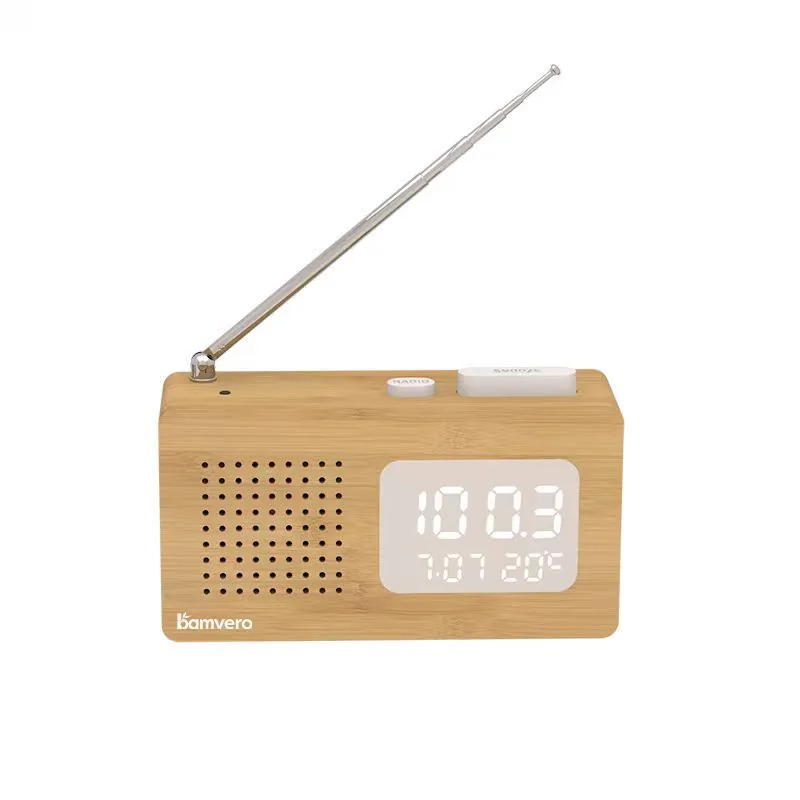
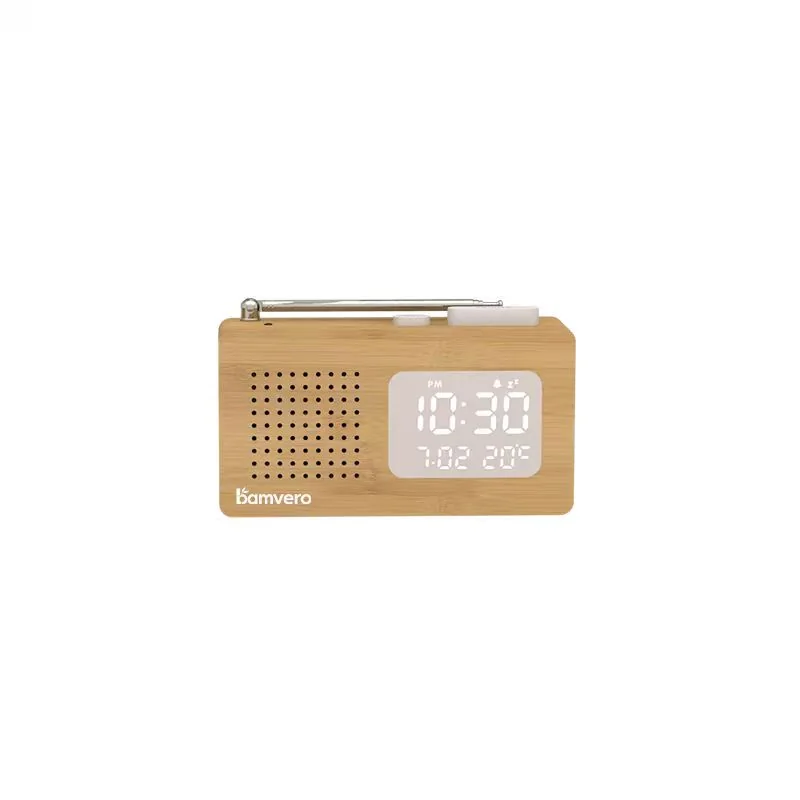
A hotel-room alarm clock has to be understandable at a glance. Guests should be able to identify the time, find the basic controls and see the product as part of the room rather than as an unfamiliar electronic device. When reviewing a wooden radio alarm clock, ask how the display looks from the bed, on a bedside table and in the lighting used by the property.

The product should also fit the room's visual direction. Bamboo and wood-look materials can add warmth, but they need to work with the scale of the furniture, wall finish and other guest amenities. A sample in a real room setting is more useful than a product image alone.

Function selection

Choose functions that improve a stay

Time, alarm and radio functions can be useful when the controls remain simple. Buyers should decide which functions are genuinely appropriate for the property before asking for a crowded display. A concise feature direction makes the product easier for guests and easier for operations teams to explain, replace or reset.

Confirm the power input, clock reset behaviour and where buttons are placed. These small practical details often matter more in hospitality than adding another function. They affect housekeeping checks, room turnarounds and the experience of a guest arriving late at night.

Visual and material approval

Approve the material range, not only one sample image

Natural bamboo surfaces can vary slightly in tone and grain. For a hotel program, the buyer should define the acceptable appearance range, the front display treatment and the position of any property mark. That creates a better balance between a natural material story and a coordinated room presentation.

If a logo, instruction card or package is required, keep it restrained and practical. Hospitality buyers often need branding that supports the room experience without making the product look like an advertisement.

Operations and packing

Plan for replacement units and repeat rooms

A room rollout is rarely a single purchase. Buyers should ask for carton quantity, individual protection, spare or replacement handling and a clear model reference. A compact unit can be easy to store, but the packaging must still protect the display and controls during delivery to a property or distributor.

For projects with staged openings, keep the approved product image, function list, package direction and room-use notes together. This allows later room batches to match the original selection without rebuilding the sourcing process.

Sample decision

Review the clock in a room-like environment

Place the sample beside a bed or on the intended desk and assess it from normal guest viewpoints. Check display visibility, basic setting flow, radio operation, power connection and the product's stability on the surface. Capture feedback from operations or housekeeping before confirming the model.

The final sample note should clearly state the selected model, approved finish, required packaging and any brand application. This simple document becomes the reference for a hotel buyer, purchasing team and supplier during a repeat order.

HOSPITALITY SAMPLE CHECK

Questions to settle before a room rollout

  • Room type, placement and expected guest viewing distance
  • Essential functions and daily reset requirements
  • Material finish, property mark and instruction direction
  • Carton quantity, replacement plan and staged delivery schedule

Choose a room-use model before discussing a wider assortment

A focused first sample helps hotel and hospitality buyers test the real guest experience before planning a larger room rollout.