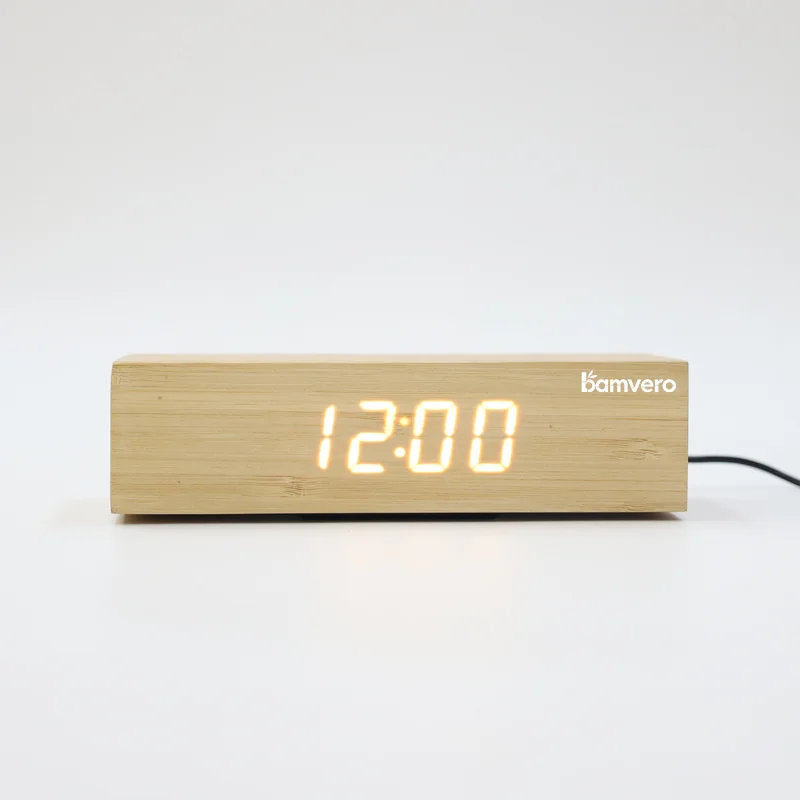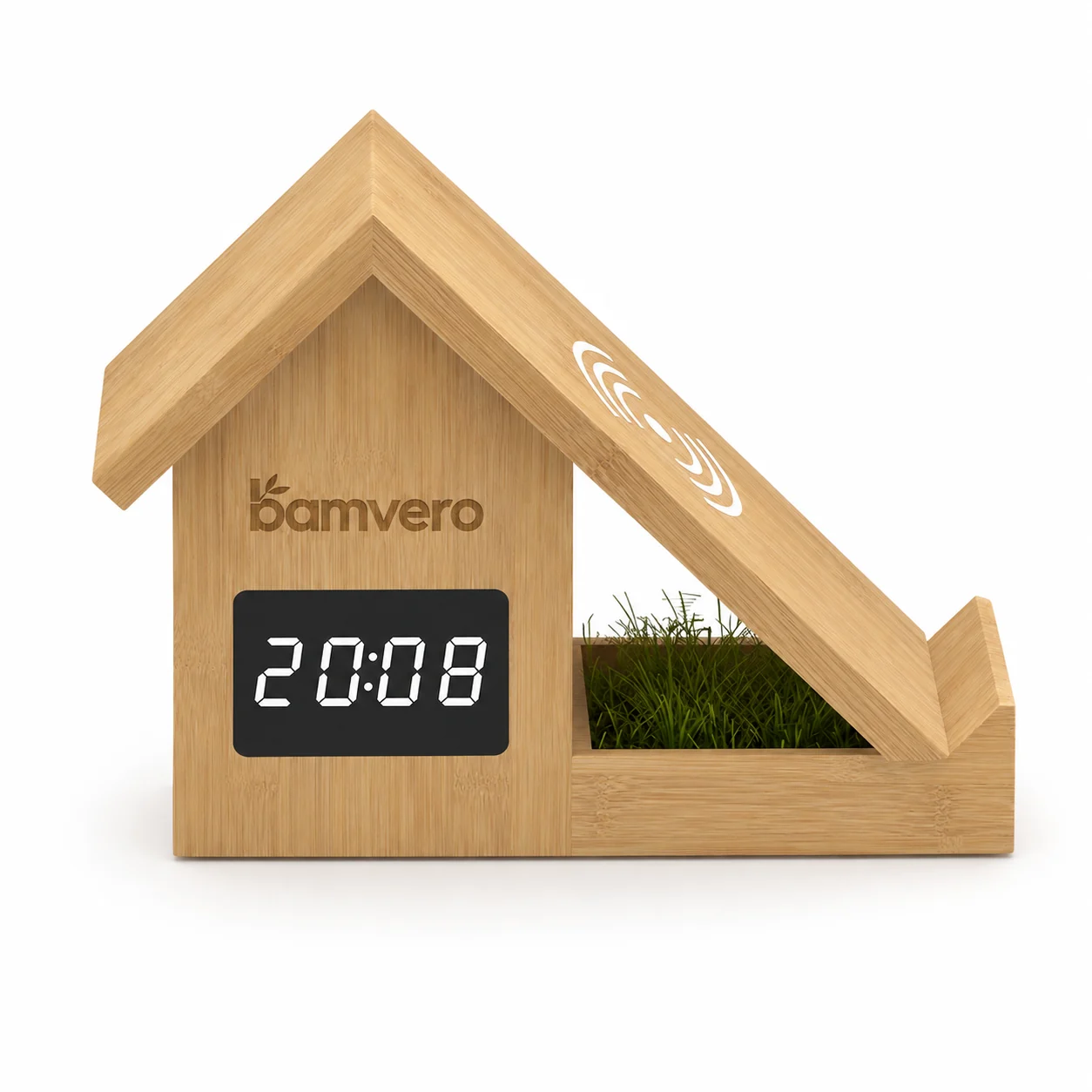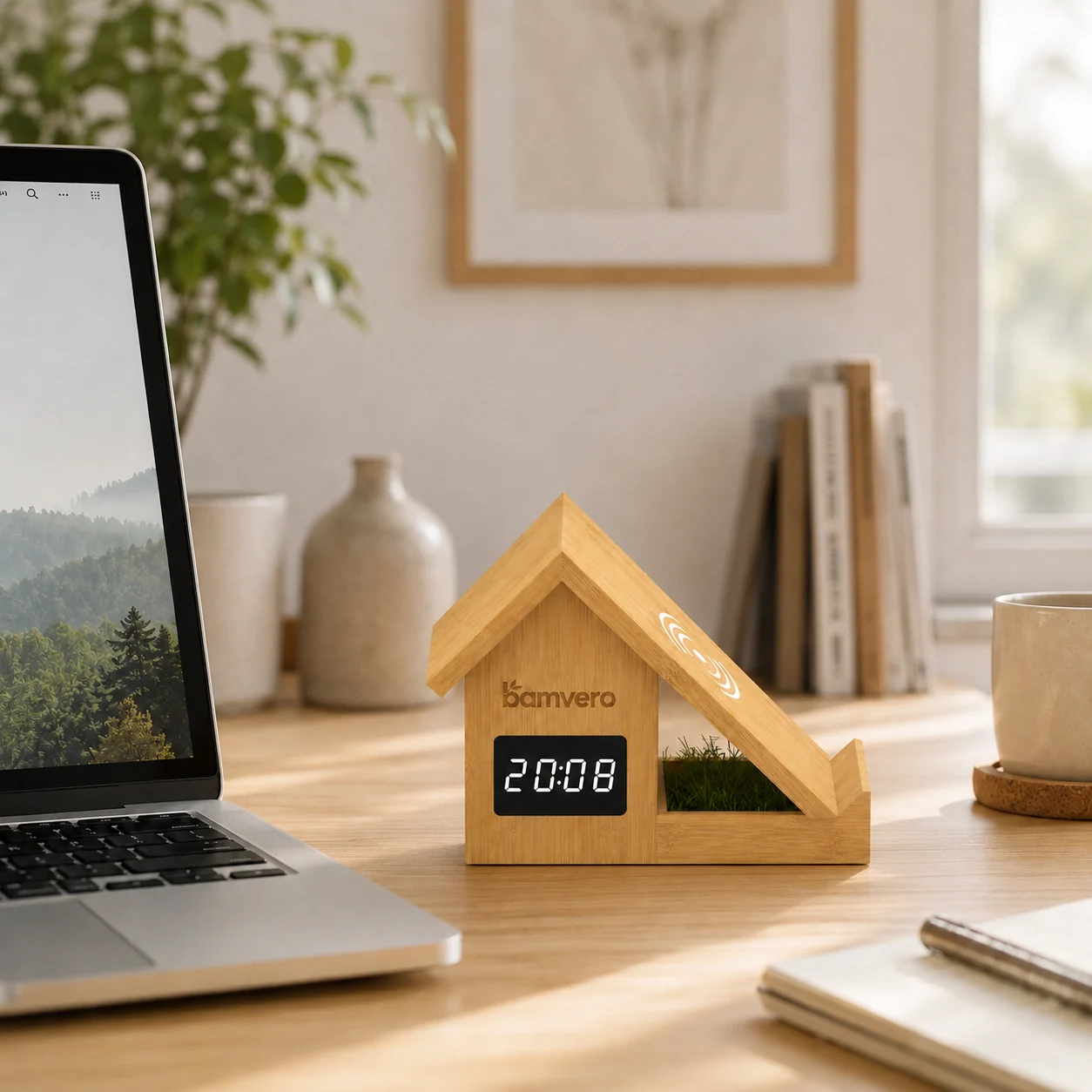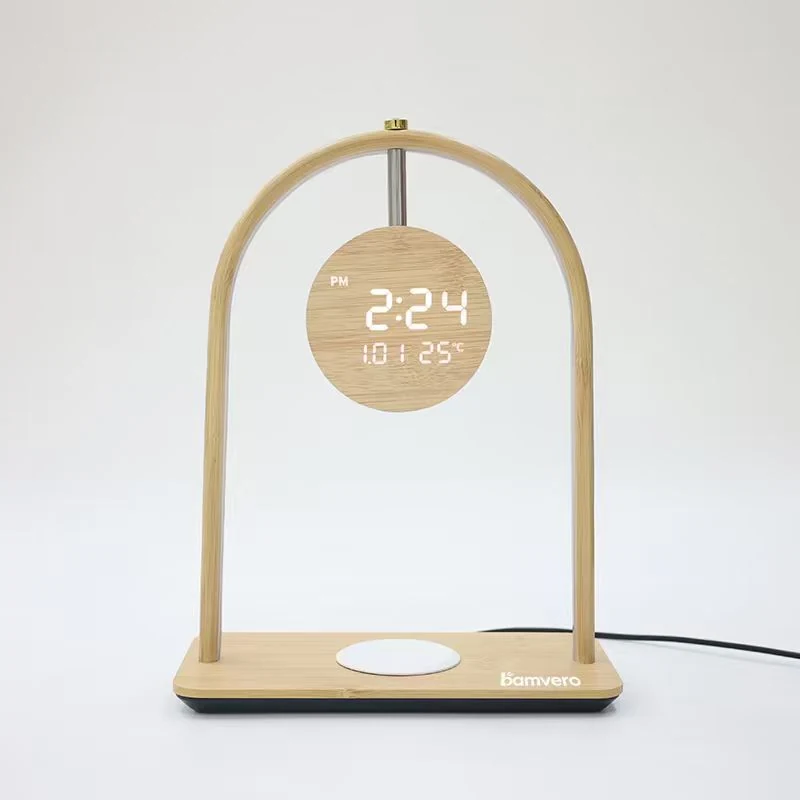
For a hotel project, the sample should prove a bedside experience rather than merely list functions. A wireless charging clock needs to be readable from the bed, stable on the furniture, understandable without explanation and simple to replace or reorder. This worksheet gives procurement teams a compact way to approve those details before the order moves forward.
Worksheet A: test the guestroom moment
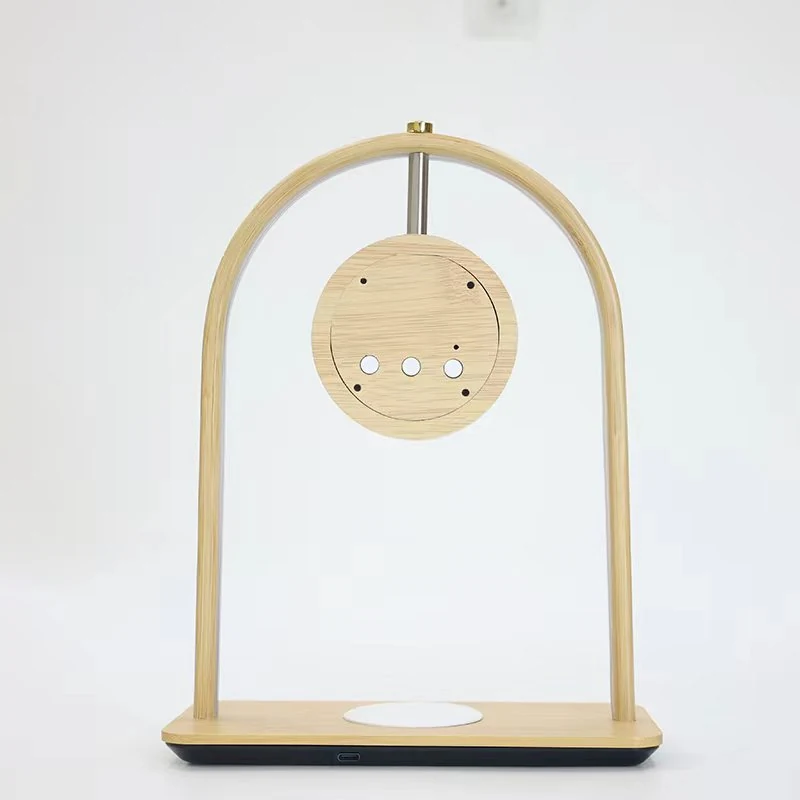
Place the sample on the intended bedside table or console. Test it in low light, from a normal pillow viewing angle and with the room's expected power route. The decision should be based on what a guest sees first: time clarity, charging position, button visibility and how naturally the clock sits in the room design.
- Read the display from the bed in daylight and low light.
- Place a phone on the charging area and confirm a clean cable route.
- Check whether the clock footprint suits the bedside furniture.
- Confirm that the bamboo finish supports the room palette.
Worksheet B: confirm operations and service notes
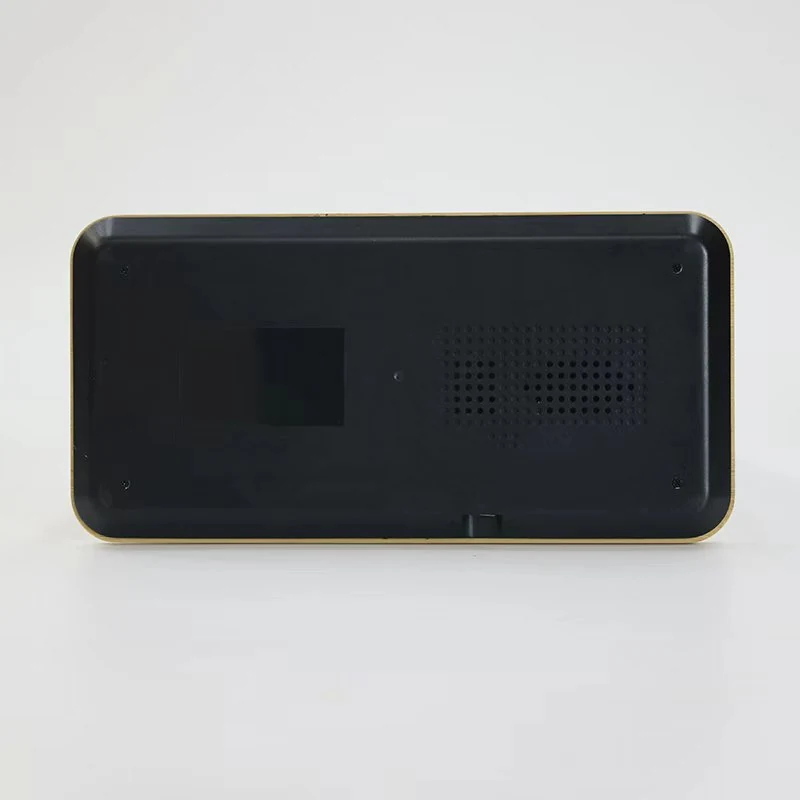
人気el teams also need reliable daily operation. Record the adapter and plug type, display settings after power interruption, cleaning access and any instruction wording needed in the room guide. These small details make the difference between an attractive sample and a practical project product.
Worksheet C: prepare the project handoff
After the sample is approved, save a concise handoff record. It should identify the room type, approved product view, logo treatment, display setting, adapter, manual language, carton mark and spare-unit plan. This becomes the reference for delivery phases and future reorders.
- Project name, room type, quantity and delivery phase.
- Approved product image and display setting.
- Logo, room-guide and manual language requirements.
- Adapter, carton marking and replacement-unit direction.