
Test a bamboo clock lamp as a guest, housekeeper and maintenance team would use it before approving a hotel rollout.
Before approving a guestroom clock lamp, review Bamboo ambient lamps for hospitality channels, Hotel charging clock pilot checklist, Hotel bedside clock specification guide and confirm the requirements for your project.
Who This Guide Is For
This guide is for boutique hotel owners, interior designers, purchasing teams and hospitality suppliers comparing bamboo clock lamps for guestrooms. The decision is not whether the product looks attractive in a catalog. It is whether the selected form, light, display, controls, charging function and package work in a real room for guests, housekeeping and maintenance.
A clock lamp can reduce visual clutter by combining two or more bedside roles, but multifunction products need a disciplined mock-up. The product must fit the nightstand, remain understandable after a late arrival, avoid distracting light, leave space for personal items and be easy to reset between stays. If wireless charging is included, representative devices, cases and power conditions need documented testing.
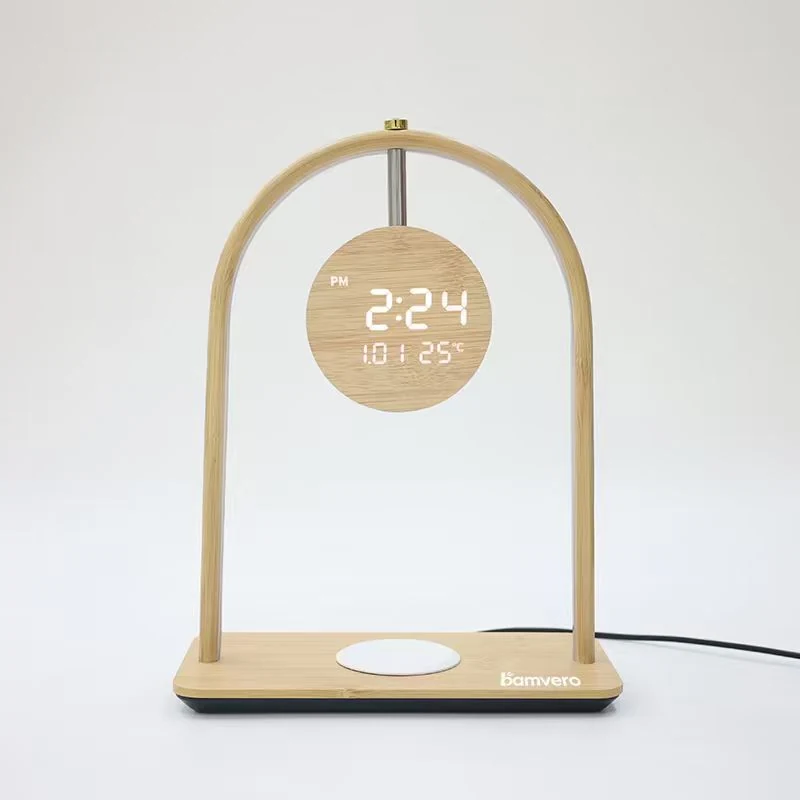
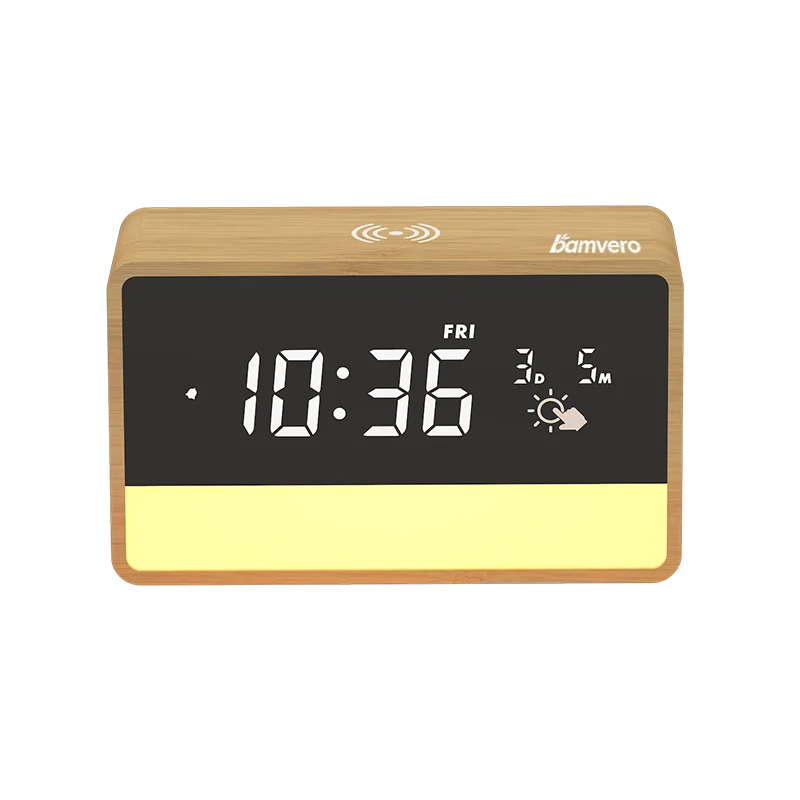
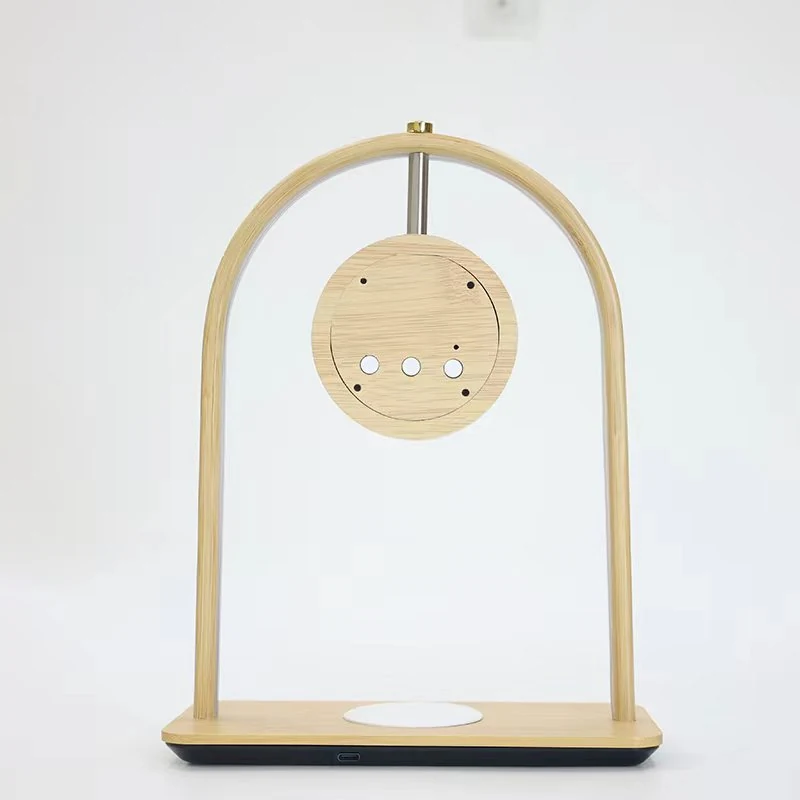
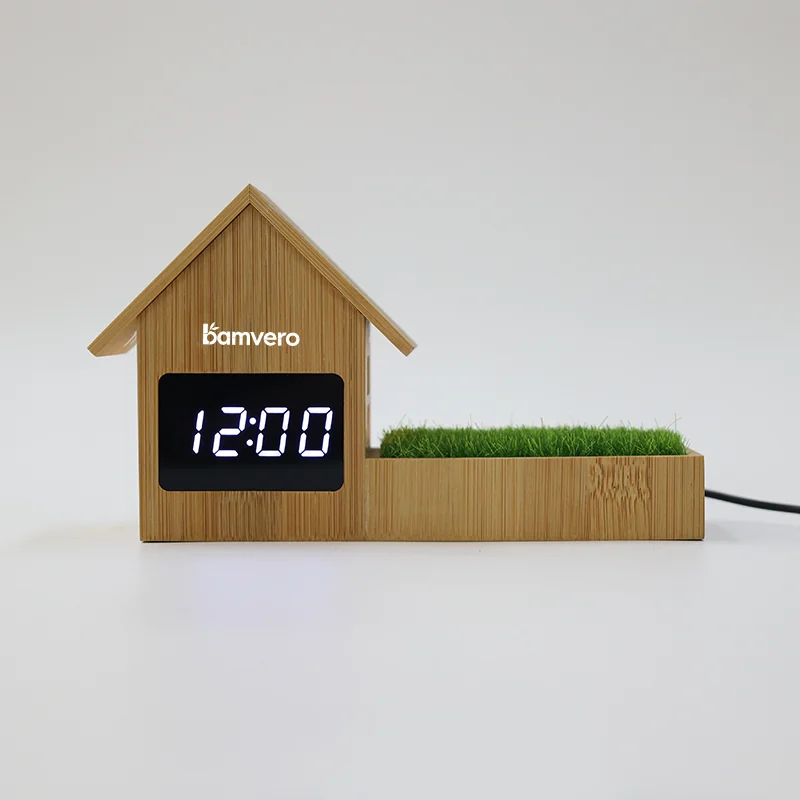
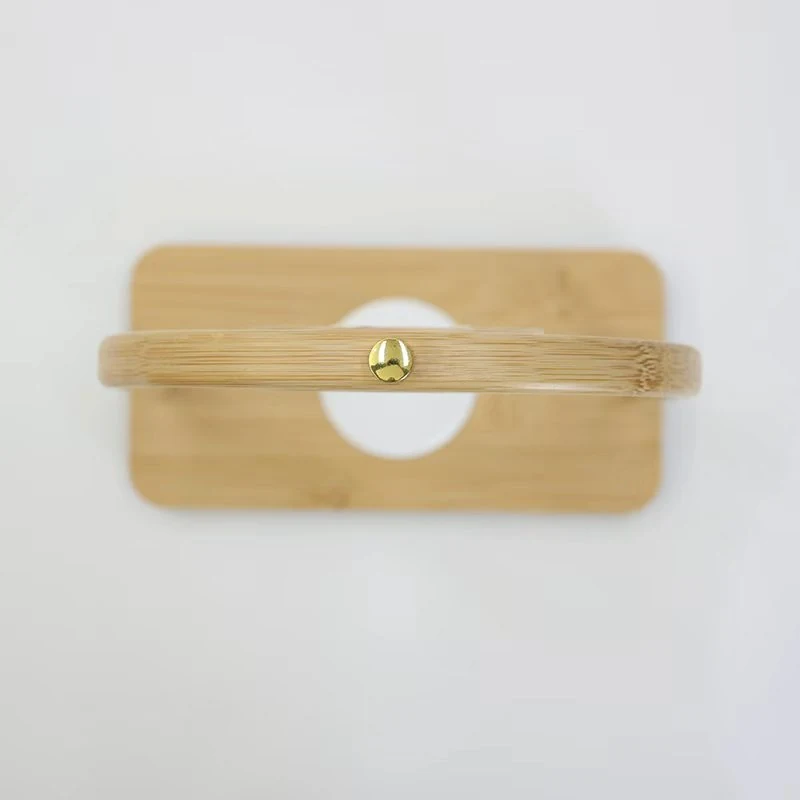
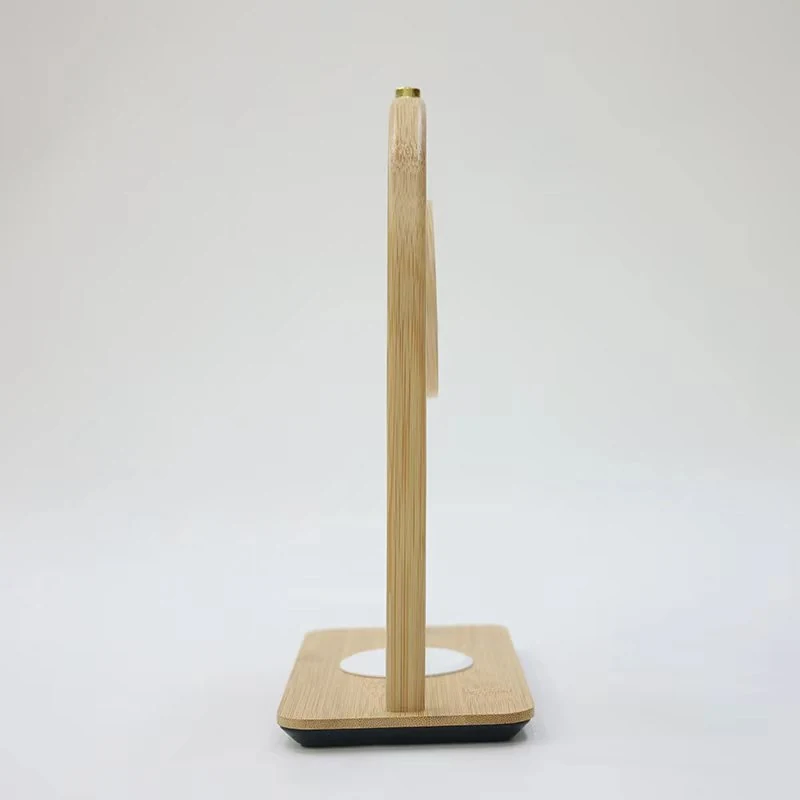
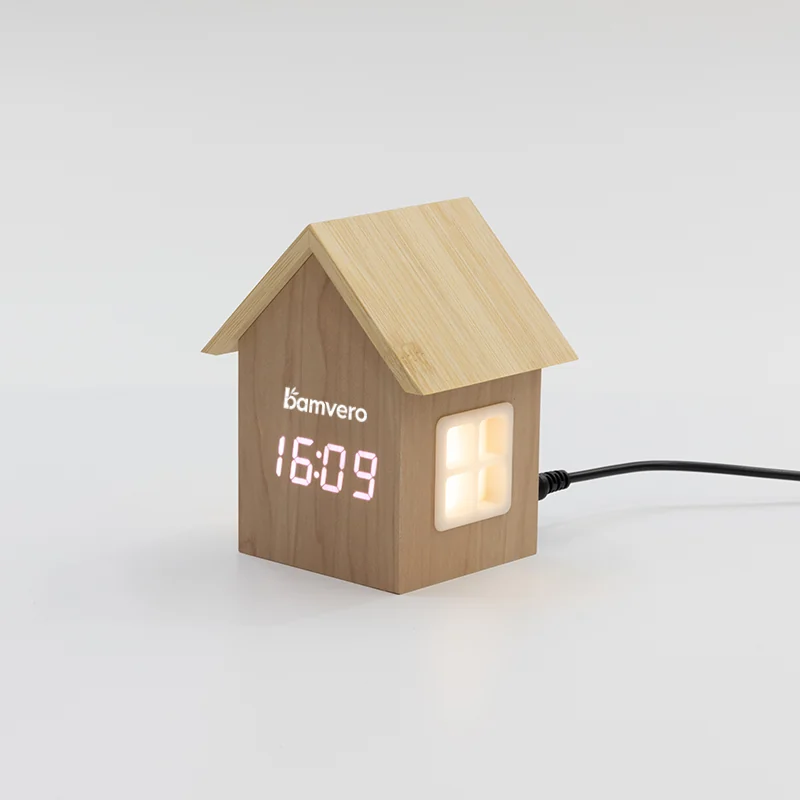
Bamvero Living offers several real directions for a room mock-up. The 1960 combines a bamboo body, LED time display, ambient night light, touch control and 15W wireless charging. The Arch clock lamp combines a vertical bamboo frame, round time/date/temperature display and 15W charging. F101 uses a house-shaped form, LED time display and warm window light for a decorative role. Use these confirmed public features to shortlist formats, then verify the exact room, supplied configuration and operating behavior before project approval.
Key Takeaways
- Select the clock lamp from the room job and available surface, not catalog styling alone.
- Test one production-representative unit in a furnished room during day and night.
- Observe display, light, controls and charging as a first-time guest would.
- Include housekeeping and maintenance in the approval, not only design and purchasing.
- Record the exact power, cable, device, case and placement used in every test.
- Approve the packed, labeled unit and a simple guest instruction route before rollout.
Quick Room Mock-up Matrix
| Product direction | Strongest room role | Mock-up focus | Confirm before approval |
|---|---|---|---|
| 1960 night-light charging clock | Compact bedside utility | Touch sequence, ambient light and charging area | Power, brightness behavior, controls and device test |
| Arch charging clock lamp | Vertical statement piece | Height, visual balance and charging access | Exact dimensions, display visibility and cable route |
| F101 house ambient clock | Decorative theme room | Warm window light and styling fit | Control sequence, light level and cleaning method |
| Round Halo direction | Soft circular bedside accent | Halo light, base footprint and display angle | Exact supplied functions and room placement |
Define the Guestroom Job First
Write the primary room job in one sentence. Is the product mainly a readable bedside clock with soft light, a charging point with time display, or a decorative object that supports the hotel's interior story? One product can perform several functions, but the mock-up needs one primary success criterion.
Then map the users. A guest needs simple first use. Housekeeping needs a surface that can be cleaned and reset. Maintenance needs access to the power route and model identification. Purchasing needs a stable specification, replacement plan and package. Interior design needs the form and finish to fit the room.
This shared job statement prevents one team from approving the appearance while another later rejects the controls, cleaning route or bedside footprint.
Build a Real Furnished Room Mock-up
Use the actual nightstand or a dimensionally accurate sample. Place the bed, phone, water, reading material, switches and other bedside items as they will appear in the room. Check whether the product blocks an outlet, competes with a wall control or reduces usable space.
Review the product from the doorway, bed and standing position. The Arch format creates a taller visual element; a compact 1960-style unit keeps a lower profile; the F101 house shape creates a more decorative focal point. These are design directions, not automatic recommendations. The room layout determines which one is appropriate.
Photograph the approved position with dimensions, outlet location and cable route. A catalog image cannot serve as the placement record.
Test Light and Display During the Guest Journey
Run the mock-up in daylight, evening and a dark room. Check whether the clock can be read from the normal sleeping position without forcing the guest to move the product. Observe whether the display or ambient light reflects in mirrors or glossy surfaces.
Start with a first-time guest scenario: enter the room, locate the clock, switch the light, set or confirm the time and turn the light off. Do not coach the tester until the observation is complete. Record every hesitation and accidental action.
Confirm the exact brightness, dimming or memory behavior on the project sample rather than assuming all models operate alike. If a feature is not verified for the selected configuration, keep it in the approval checklist instead of the hotel description.
Verify Controls Charging and Power
Touch control can support a clean bedside experience when the sequence is intuitive, but the real sample must be tested. Mark which surface is touched, how many actions are required and what happens after a power interruption. Check whether a guest can trigger the intended function without moving the product.
For wireless charging models such as the 1960 and Arch directions, test representative phones and cases used by the hotel's likely guests or staff pilot group. Record the device, case, input power, cable, alignment, start condition, duration and result. Do not describe one successful test as universal compatibility.
Inspect cable length, strain, outlet access and whether the power route can be secured without creating a trip or cleaning problem. Confirm whether the quoted adapter is included and whether labels and instructions match the supplied power configuration.
Include Housekeeping and Maintenance
Ask housekeeping to clean the production-representative sample with the proposed routine. Observe whether dust collects around joints, display edges, charging surfaces or decorative elements. Confirm which cleaning products and methods are permitted by the supplier; do not invent a universal chemical or moisture claim.
Create a short reset check: correct time, intended display setting, light off or default state, cable connected, charging surface clear and product positioned at the approved mark. A small room card or staff checklist may prevent inconsistent setups.
Maintenance should be able to identify the model and revision without dismantling the room. Record the power accessory, replacement route and the process for removing a damaged unit from service.
Review Appearance Branding and Room Consistency
Bamboo grain and color vary naturally. Approve a representative visual range that fits the room palette, while controlling cracks, sharp splinters, coating faults, damaged edges, excess adhesive and unstable assembly separately.
If the hotel adds a logo or room instruction, approve it on the real product or package. Branding should not cover the display, controls, charging area or required labels. A discreet mark on a vertical Arch frame may behave differently from a mark on a compact charging surface.
Place several representative samples in adjacent rooms when possible. The goal is not identical grain; it is a consistent design family within an agreed natural range.
Approve Packaging and the Rollout Pilot
Review the complete pack with the actual product, cable, adapter scope, manual, labels and inserts. Confirm that accessories cannot scratch the bamboo surface and that the model identification remains visible. If units will be shipped to multiple properties, test the exact distribution pack and receiving process.
Run a small guestroom pilot before full rollout. Include different room layouts and ask front desk, housekeeping, maintenance and a limited tester group to record setup questions, accidental actions, display concerns, charging results and cleaning issues. Keep the trial tied to one product and package revision.
Decide the pass criteria before the pilot begins. A design team may accept a visual difference that housekeeping cannot maintain, or a technically successful charging test may still fail if guests cannot find the charging area. The rollout decision should combine all roles.
Final Buyer Checklist
- Is the product's primary guestroom job written clearly?
- Has it been placed on the actual or dimensionally accurate nightstand?
- Are doorway, bed and standing views documented?
- Have display and ambient light been observed by day and at night?
- Can a first-time tester use the controls without coaching?
- Are charging tests tied to named devices, cases and power conditions?
- Is the cable and outlet route practical for the room and cleaning routine?
- Has housekeeping tested the proposed cleaning and reset method?
- Can maintenance identify and replace the exact unit and power accessory?
- Is the bamboo appearance range separated from workmanship defects?
- Does the completed package protect the product and match the supplied configuration?
- Has a small multi-role room pilot passed before wider rollout?
Send Bamvero Living the room type, nightstand dimensions, outlet position, required clock, light and charging roles, representative devices and project rollout plan to request a focused clock-lamp shortlist.
Related sourcing resources
Methodology and official references
Charging evidence and room performance depend on the exact product, supplied power configuration, placement and representative devices. Confirm all project requirements before rollout.
Frequently asked questions
Which bamboo clock lamp is best for a boutique hotel?
There is no universal best model. Choose from the room job, bedside space, design language, guest controls, power route, cleaning method and support plan.
Is a catalog sample enough for approval?
No. Test a production-representative unit in a furnished room during day and night, then include housekeeping and maintenance feedback.
How should a hotel test wireless charging?
Record representative devices, cases, input power, cable, alignment, duration and result. Keep claims within the verified configuration.
Should every bamboo unit have identical grain?
No. Approve a representative natural range while controlling cracks, splinters, coating faults, damaged edges and unstable assembly separately.
What should be completed before a full rollout?
Approve placement, controls, display, light, power, charging, cleaning, reset, branding, packaging and a small room pilot against written pass criteria.
Need a bamboo clock-lamp shortlist for a room mock-up?
Share the room type, bedside dimensions, outlet position, required functions, representative devices and rollout plan.
Plan a room mock-up