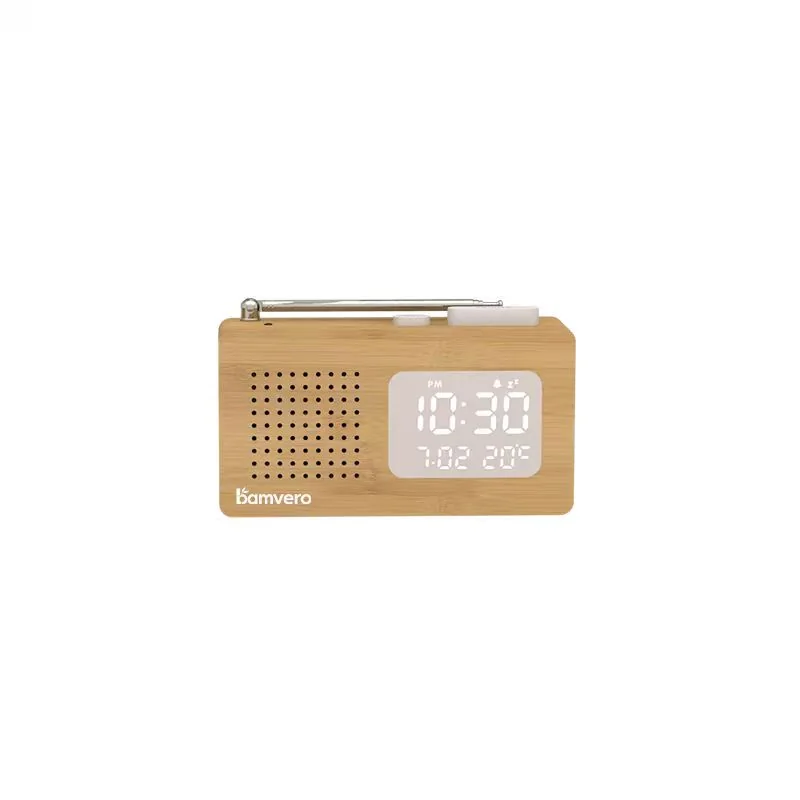
A hotel bedside alarm clock should reduce friction for a guest, not add a new set of controls to learn. Before a wholesale order, specify the room scenario first: display visibility, alarm behavior, radio use, power setup, cleaning access and the information a guest sees on the product or in the room guide.
1. Specify the guestroom behavior before choosing the model
Start with the guest experience. Will the clock sit on a bedside table, a console or a desk? Does the project need FM radio, one alarm or dual alarms? The answer guides the display size, button layout and physical footprint more effectively than a generic feature list.
- Check time readability in a dark room and in daylight.
- Confirm alarm, snooze and radio controls are easy to identify.
- Decide whether date and temperature information helps the intended room type.
- Set the expected placement before approving the product dimensions.
2. Review power, service and daily-use details on a sample
Hotel procurement requires a practical power plan. Confirm the adapter, cable direction, plug type and how the clock behaves after an interruption. The sample should also be checked for stable placement, clear icons and surfaces that can be wiped as part of ordinary room servicing.
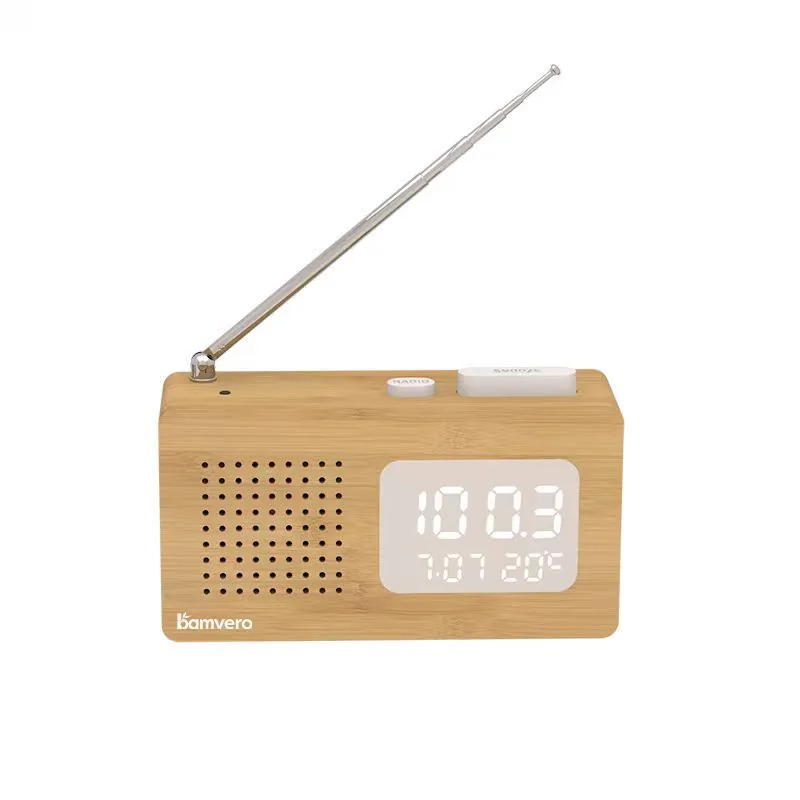
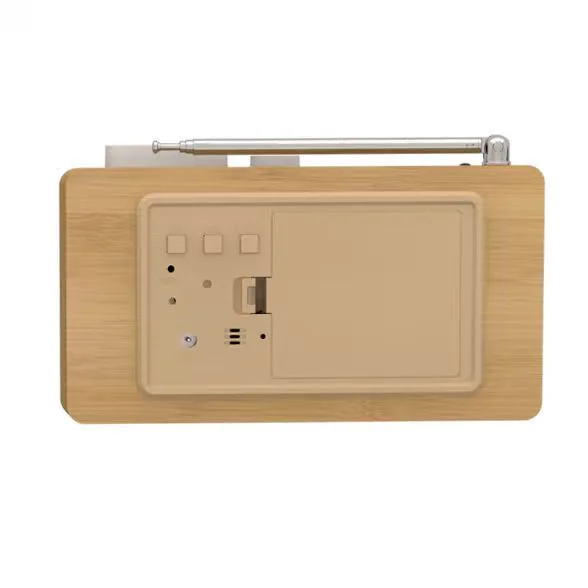
3. Confirm the property-specific order notes
Once the guestroom sample is approved, record the property details in the order brief. Include the room type, target quantity, display language, logo or property mark, manual language, adapter and packaging direction. This gives the purchasing team a stable reference for staged delivery or a future reorder.
- Property or project name, room type and sample approval reference.
- Power accessory and destination-market plug requirement.
- Logo, printed instruction or packaging information where required.
- Carton marking, delivery timing and spare-unit plan.
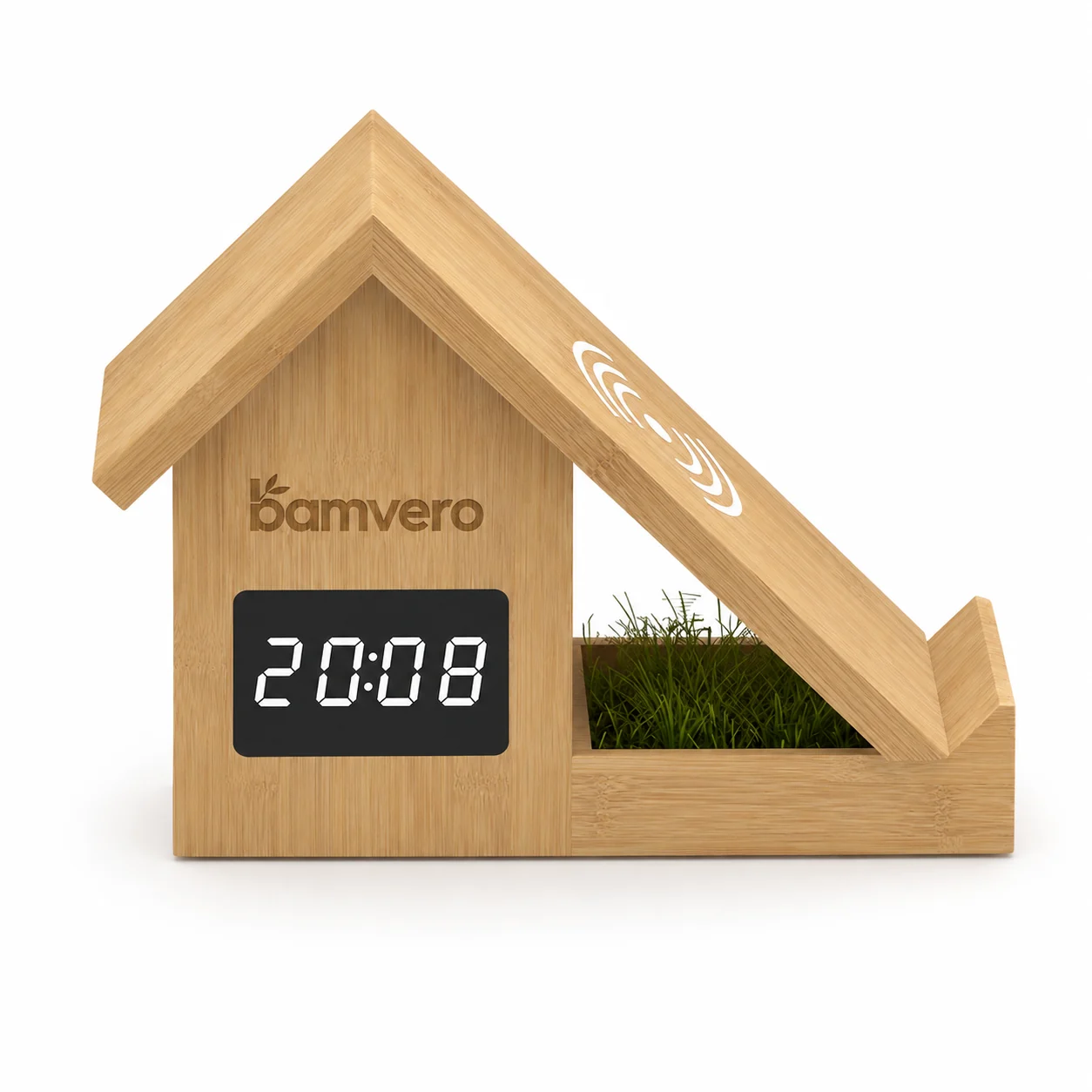
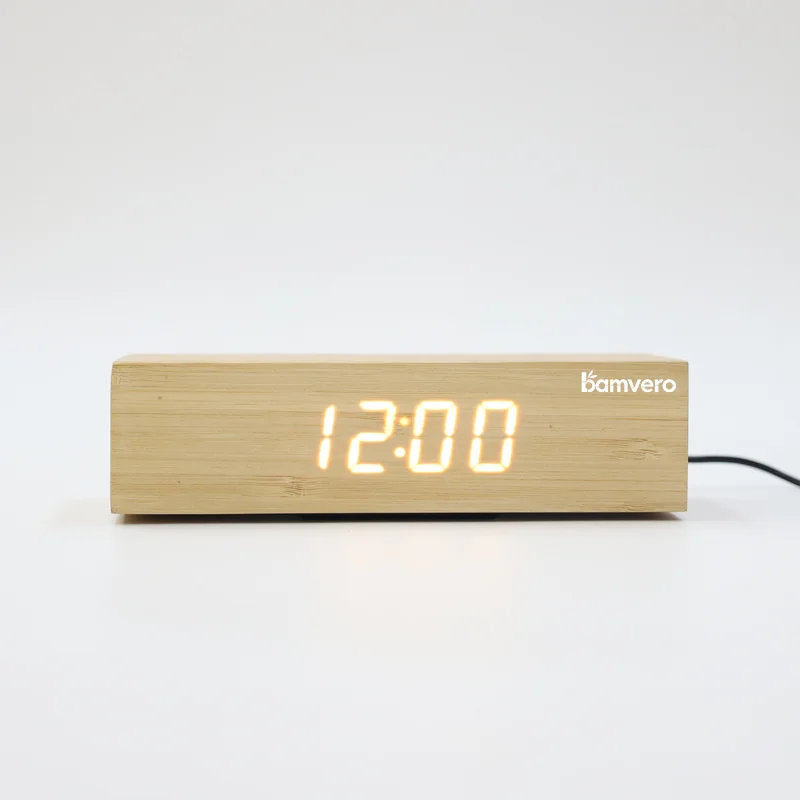
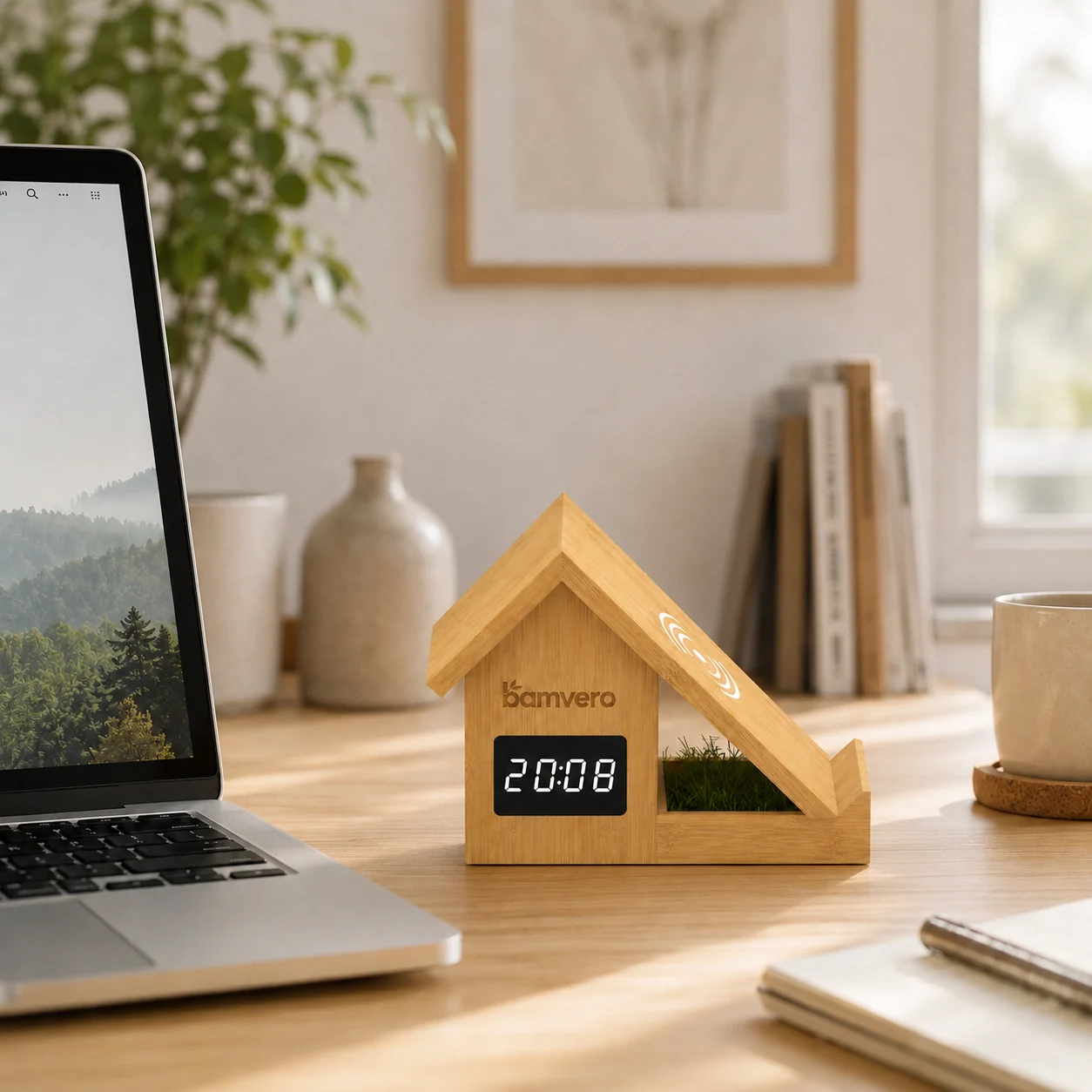
Compact formats to compare.